
[ad_1]
- File updated ITR for two years:
Finance Minister Smt. Nirmala Sitharaman has announced the newly updated return rules. Taxpayers can now file an updated ITR within 2 years of the relevant assessment year on payment of additional tax. This gives an opportunity to taxpayers to file updated ITRs to those taxpayers who missed their income tax returns completely and missed out on some income. Hence, the government is giving an opportunity to the taxpayers to update their forsaken income. The Finance Minister said that this is being done with the intention of establishing a more reliable tax regime which will further simplify the tax system, promote voluntary compliance by taxpayers and reduce litigation.
- Health and Education Cess Explanation:
Health and education cess is not a business expense and cannot be allowed as a business expense while computing total income. This includes taxes and surcharges. It is clarified that no surcharge or cess on income and profit is allowable as business expenditure. This Explanation shall prevail over the orders passed under the law of any case on the subject.
- National Pension System:
(Benefits for government employees)
The tax deduction limit for contribution of state government employees to NPS (Tier-1) has been increased from 10% to 14%. This has been done to treat the employees of both Central and State Government equally.
The minister said that this would help in enhancing the social security benefits of the state government employees and bring them at par with the central government employees.
- Startup Incentives:
Eligible Startups established before 31.03.2022 have been provided tax incentives for three consecutive years out of ten years from incorporation. The period of incorporation of eligible startups has been extended by one more year i.e. up to 31.03.2023 due to the COVID pandemic.
- New Manufacturing Unit Incentive:
The period for opting for concessional rate of tax under section 115BAB has been extended by one year from 31.03.2023 to 31.03.2024.
- Lower alternate minimum tax rate and surcharge for co-operative societies:
In order to provide a level playing field between cooperatives and companies, the alternate minimum tax rate for cooperatives has been reduced from 18.5 per cent to 15%.
Also, the surcharge on cooperatives has been reduced from 12% to 7% for those with total income above Rs 1 crore and up to Rs 10 crore.
This will help in increasing the income of cooperatives and their members, who are mostly from rural and farming communities, the minister said.
- Tax Relief to Disabled Person:
Annuity and lump sum payment will be allowed to disabled dependents during the lifetime of the parent/guardian, i.e. on attaining the age of sixty years of the parent/guardian.
At present, this was allowed only if the annuity or lump sum amount was paid for the benefit of the dependent, in the event of the death of the person, being a disabled person.
- Rationalization of Overload:
The surcharge for AOP has been capped at 15% as at present the income of these AOPs has to suffer a graded surcharge of 37% which is very high.
- Prevention against tax evasion:
No compensation will be allowed against any undisclosed income detected during search and survey operations. This has been done to bring certainty and increase deterrence among tax evaders.
- Tax Incentives to IFSC:
Income of a non-resident from offshore derivative instruments, or over-the-counter derivatives issued by an offshore banking entity, income from royalty and interest on account of leasing of a ship, and income derived from portfolio management services in IFSC will be exempt. from tax, subject to specified conditions.
11. No repeated appeal to a general question of laws.
12. The Central Government has the power to issue directions to remove the difficulties which may
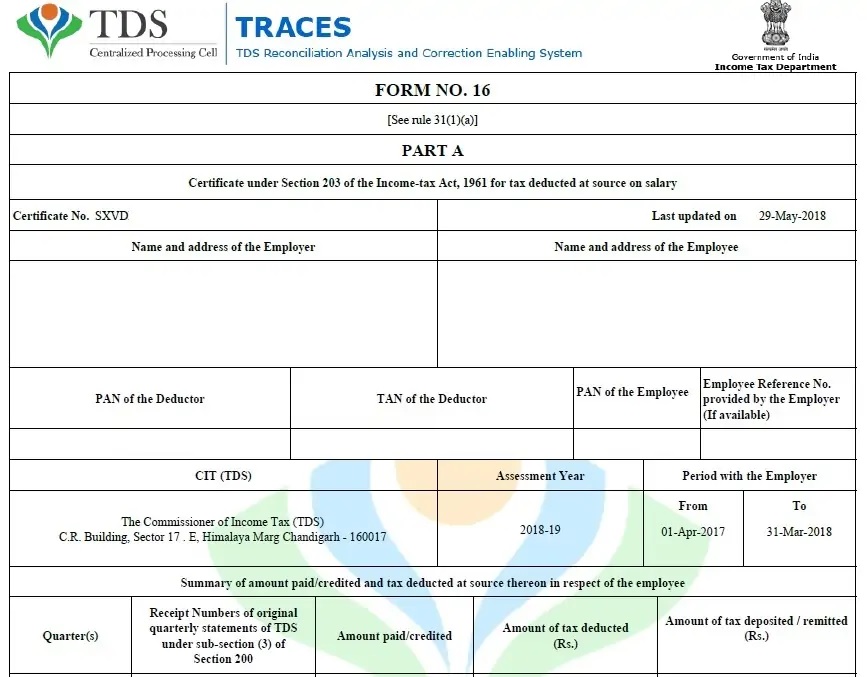
In respect of TDS must be faced by the taxpayers and officials. It has also been said that the taxpayer
Will be responsible for ensuring that the required tax to be deducted has been paid.
13. Finance Bill Extends Deadline for Completion of Assessment Proceedings
Assessment Year (AY) 2020-21 to 31 March 2022 instead of 30 September 2022.
For more information on taxes and compliances
Write to us at info@taxreturnwala.com
[ad_2]
Source link




Leave a Reply